Welcome to The Community Workers Hub
The Hub is your online space for learning, connection, and collective care.
Access 40+ community-focused professional development courses, practical resources and toolkits, and a supportive community of peers, all created by and for community workers.
Grow your skills, strengthen your impact, and stay grounded in your purpose.
Membership Options
Individual Membership
For community workers who want practical training, connection, and support.
What’s included:
Perfect for frontline workers, managers, and changemakers who want to keep learning and growing in their own time.
Access to 40+ on-demand community-focused courses covering trauma-informed care, co-design, case management, and more
Downloadable templates, toolkits, and resources you can use straight away
Access to The Hub Community, discussion threads, peer support, and shared learning
Early access to new courses, webinars, and live sessions
Opportunity to co-design future content, help shape what comes next
Organisational Membership
For teams, services, and organisations investing in staff development and wellbeing.
What’s included:
Multiple staff logins with centralised membership management
Full access to The Hub’s training library and community space
Team onboarding session to align learning goals and explore priority topics
Option to co-design a tailored training pathway for your organisation
Usage and engagement reports to track staff participation
Direct support from The Hub team for setup and staff engagement
Individual Professional Development Courses:
Advocacy Through Policy: Speaking Up Effectively
Duration: 2.5 hours
Format: Self-paced, online
Policy advocacy is a powerful tool for systemic change. This course empowers community workers and lived experience advocates to engage in effective, ethical, and inclusive policy advocacy. Participants will learn how to identify issues, influence decision-makers, and amplify community voices through submissions, campaigns, and collaborative action.
Building Safety and Trust in Service Relationships
Duration: 2.5 hours
Format: Self-paced, online
Safety and trust are foundational to all effective service relationships. This course explores how community workers can intentionally create environments, both physical and relational, that promote emotional safety, build trust over time, and strengthen client engagement and outcomes, especially for people who have experienced trauma, discrimination, or systemic harm.

Case Management Hacks: Tools for Efficiency and Empathy
Duration: 2.5 hours
Format: Self-paced, online
Case management can be both rewarding and overwhelming. This course offers practical strategies to help you manage competing priorities without losing your heart. Discover time-saving tools, digital tricks, communication shortcuts, and trauma-informed approaches that balance efficiency with empathy, so you can stay organised and stay human.

Collaborative Advocacy: Partnering with Clients for Systemic Change
Duration: 2.5 hours
Format: Self-paced, online
Advocacy is most powerful when it’s collaborative, centring the voices and choices of the people most affected. This course supports community workers to partner with clients in ways that uphold dignity, power, and agency. It explores everyday advocacy, systems navigation, and strategies for addressing broader injustice together, rather than on behalf of others.

Collaborative Care Planning with Clients
Duration: 2.5 hours
Format: Self-paced, online
Care plans should be living documents that reflect the goals, needs, and preferences of the person they’re for, not just a funding requirement or formality. This course supports workers to move beyond transactional planning and embrace a genuinely collaborative, client-led approach. Learn how to co-create care plans that support autonomy, access, and outcomes that matter to the client.
Communicating Across Power Differences
Duration: 2.5 hours
Format: Self-paced, online
Every interaction in community work is shaped by power, whether visible or not. This course supports workers to develop greater awareness of power dynamics in service relationships and team settings. Participants will learn practical strategies to communicate more equitably, listen with humility, and ensure their actions foster safety, dignity, and collaboration.
Community Engagement for Social Change
Duration: 2.5 hours
Format: Self-paced, online
True community engagement is not just about outreach, it's about building lasting, respectful relationships that centre community voices in driving change. This course equips workers with tools and frameworks to engage meaningfully with diverse communities, foster collective action, and support grassroots leadership in social change efforts.
Conflict-Resilient Communication with Clients and Colleagues
Duration: 2.5 hours
Format: Self-paced, online
Conflict is a natural part of working with people, but how we respond determines whether it escalates or transforms. This course helps community workers develop communication skills that support de-escalation, clarity, respect, and repair when tensions arise. Through a trauma-informed, strengths-based lens, participants will learn how to stay grounded, assertive, and collaborative when things get tough.

De-escalation Techniques in High-Stress Environments
Duration: 2.5 hours
Format: Self-paced, online
High-stress situations are common in community and disability work, where workers often support people experiencing distress, fear, or crisis. This course provides practical, trauma-informed de-escalation techniques to help professionals respond safely, reduce harm, and build trust during challenging moments.
Developing Client-Centred Risk Management Plans
Duration: 2.5 hours
Format: Self-paced, online
Risk management doesn't need to be fear-driven or agency-centred. When done collaboratively, it can empower clients to make informed choices, build safety on their own terms, and feel supported. This course helps workers move beyond compliance checklists to develop trauma-informed, rights-respecting, and practical risk plans tailored to each client’s context and capacity.
Digital Inclusion and Accessibility in Community Settings
Duration: 2.5 hours
Format: Self-paced, online
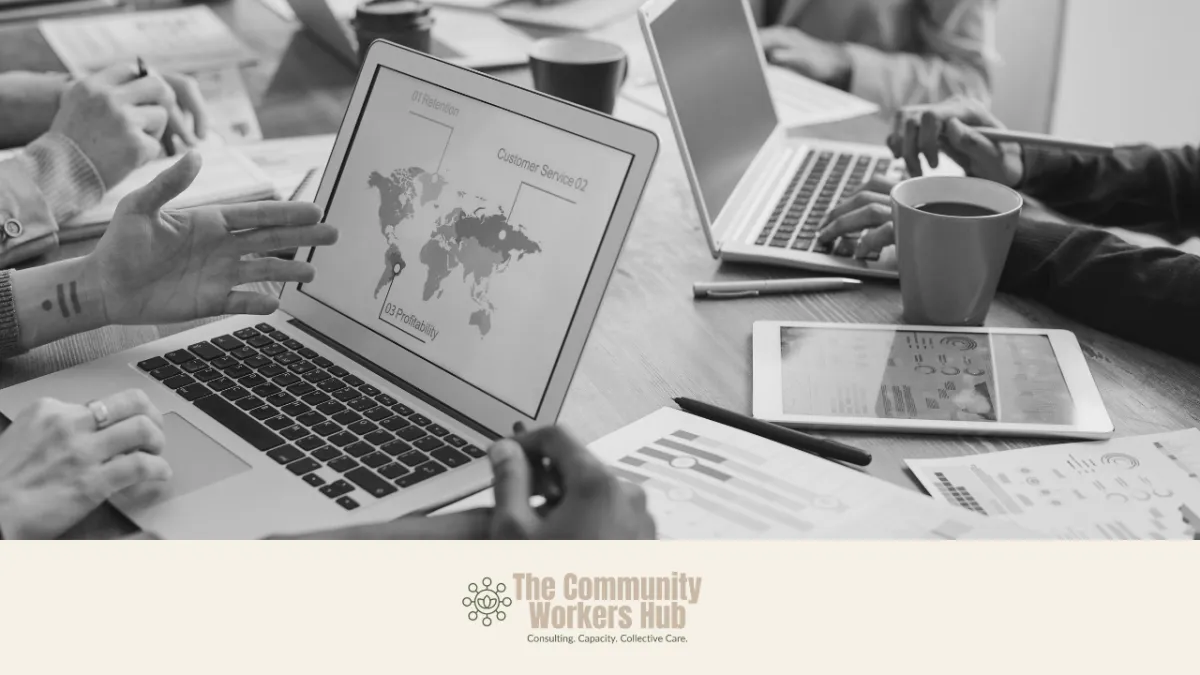
In today’s world, digital access is essential for participation, connection, and independence, but many people are left behind due to affordability, ability, confidence, or systemic barriers. This course introduces the principles of digital inclusion and accessibility, equipping workers with the knowledge and strategies to support clients in bridging the digital divide.

Effective Case Notes and Documentation
Duration: 2.5 hours
Format: Self-paced, online
Clear, objective, and timely case notes are essential for providing consistent support, managing risk, and meeting legal and organisational requirements. This course supports workers to write high-quality case notes that are professional, person-centred, legally sound, and trauma-informed.
Engaging Resistant Clients: Building Connection
Duration: 2.5 hours
Format: Self-paced, online
Some clients seem “hard to reach”, but what if we flipped the lens to see them as self-protective, not resistant? This course explores compassionate, trauma-informed ways to engage clients who may be cautious, defensive, or ambivalent. Participants will learn to build trust gradually, respect autonomy, and support individuals at their own pace without pushing, coercing, or giving up.

Grant-Writing and Micro-Fundraising for Local Projects
Duration: 2.5 hours
Format: Self-paced, online
Securing funding doesn’t have to be overwhelming. This course provides practical guidance for community workers and grassroots groups on crafting effective, straightforward grant applications and securing funds for local projects through micro-fundraising. Participants will learn how to tell their story, develop budgets, find the right funders, and build regional support for their ideas.
Introduction to Human Rights and Social Justice Frameworks
Duration: 2.5 hours
Format: Self-paced, online
Human rights and social justice are foundational to ethical, inclusive, and equitable community work. This course introduces key concepts and frameworks that guide practice, advocacy, and service delivery in line with the rights and dignity of all people, particularly those experiencing marginalisation or systemic disadvantage.

Making Systems Work: Micro-Advocacy in Bureaucratic Spaces
Duration: 2.5 hours
Format: Self-paced, online
Sometimes the biggest wins come from the smallest interventions. Micro-advocacy is about helping clients get what they need from systems that are often complex, rigid, and inaccessible. This course equips workers with practical, ethical, and effective strategies to advocate within bureaucratic systems, such as Centrelink, the NDIS, housing, health, and justice, without burning out or taking over.

Rebuilding Trust with Clients After Service Harm
Duration: 2.5 hours
Format: Self-paced, online
Many clients come to services carrying experiences of harm, neglect, or betrayal by the very systems meant to support them. This course helps workers rebuild trust with clients who have been hurt by prior service encounters, whether in health, housing, justice, disability, or child protection systems. Through a trauma-informed, accountability-based lens, participants will learn how to acknowledge harm, repair ruptures, and hold space for healing.
Recognising and Responding to Burnout
Duration: 2.5 hours
Format: Self-paced, online
Burnout is a common and serious challenge for those working in human services. This course helps community workers identify the signs of burnout in themselves and others, understand its root causes, and explore practical strategies for recovery, workplace support, and sustainable practice.
Supporting Clients with Legal or Justice System Needs
Duration: 2.5 hours
Format: Self-paced, online
Clients involved in legal or justice systems often face complex, overwhelming barriers. This course equips community workers with foundational knowledge to support clients with legal needs safely, respectfully, and within professional boundaries. It covers understanding common legal issues, referral pathways, trauma-aware engagement, and advocating for clients' rights without overstepping into legal advice.
Supporting Peer-Led Models of Support
Duration: 2.5 hours
Format: Self-paced, online
Peer-led models place lived experience at the heart of service delivery and social change. This course introduces the principles and practicalities of peer-led support, helping workers understand how to collaborate with, elevate, and sustain peer leadership in ethical and empowering ways. Participants will explore how to honour lived experience while avoiding tokenism, gatekeeping, or co-optation.

The Art of Listening: Holding Space for Real Conversations
Duration: 2.5 hours
Format: Self-paced, online
In human services, listening is more than hearing; it’s a practice of presence, patience, and respect. This course explores how to hold space for honest conversations, especially when working with people experiencing distress, trauma, or marginalisation. Participants will learn to create emotionally safe spaces, respond with empathy, and avoid common listening traps that block connection.
Trauma-Sensitive Intake & Assessment
Duration: 2.5 hours
Format: Self-paced, online
The intake process is often the first point of contact between a client and your service, and it sets the tone for everything that follows. This course helps workers conduct assessments and intakes in ways that are safe, respectful, and trauma-informed. You’ll learn how to gather essential information without re-traumatising clients, and how to create space for autonomy, consent, and dignity at every step.

Trauma-Informed Approaches in Community Work
Duration: 2.5 hours
Format: Self-paced, online
This short course introduces the foundational principles of trauma-informed care and how they apply to community work. Participants will explore the impacts of trauma on individuals and communities, learn how to recognise trauma responses, and develop practical strategies to create safer, more supportive interactions with clients.
Understanding the Impact of Developmental Trauma
Duration: 2.5 hours
Format: Self-paced, online
Developmental trauma results from ongoing exposure to neglect, abuse, or disrupted attachment during childhood. It can significantly shape a person’s neurological, emotional, and relational development. This course helps frontline workers understand how early trauma impacts behaviour and development and equips them with trauma-informed strategies to respond with empathy, consistency, and safety.
Understanding the Social Model of Disability in Practice
Duration: 2.5 hours
Format: Self-paced, online
The social model of disability shifts the focus from “fixing” people to fixing the barriers that exclude them. This course explores what the social model means, why it matters, and how to embed it in everyday practice. Participants will learn to identify disabling environments, challenge ableism, and centre access, rights, and dignity in their work.
Vicarious Trauma and Self-Compassion for Frontline Workers
Duration: 2.5 hours
Format: Self-paced, online
Frontline workers are frequently exposed to the trauma and distress of others, placing them at risk of vicarious trauma, burnout, and compassion fatigue. This course explores how to recognise the signs of vicarious trauma, build awareness of its impact, and apply self-compassion practices to support wellbeing and sustainability in community work.
Working Effectively in Multidisciplinary Teams
Duration: 2.5 hours
Format: Self-paced, online
In community work, collaboration across roles, disciplines, and perspectives is essential to providing holistic, person-centred support. This course explores how to communicate, coordinate, and build mutual respect in multidisciplinary settings, where everyone brings something valuable to the table. Learn how to navigate role boundaries, resolve conflict, and centre the client’s voice while working as a united team.
Working with Complex Trauma in Disability Contexts
Duration: 2.5 hours
Format: Self-paced, online
People with disability experience disproportionately high rates of complex trauma, yet their trauma histories are often overlooked or misunderstood. This course builds foundational knowledge in recognising and responding to complex trauma in disability contexts, with a focus on rights-based, relational, and trauma-informed approaches.
Co-Design Methods for Inclusive Service Development
Duration: 2.5 hours
Format: Self-paced, online
Co-design is more than consultation; it’s about sharing power and creating services with communities, not just for them. This course introduces workers to the principles and practices of inclusive co-design, with practical tools to engage people with lived experience in shaping the services they use. Participants will learn how to build trust, plan co-design processes, and ensure that inclusion is meaningful, not tokenistic.
Disability and Intersectionality: Power, Privilege and Practice
Duration: 2.5 hours
Format: Self-paced, online
Disability does not exist in isolation. People with disability live at the intersection of multiple identities, such as race, gender, class, and sexuality, that shape their experiences of discrimination, access, and opportunity. This course introduces an intersectional lens to disability-inclusive practice, helping workers understand power, privilege, and systemic inequality, and how to apply inclusive, rights-based approaches in day-to-day work.
Workshop Facilitation 101: Leading Inclusive Groups
Duration: 2.5 hours
Format: Self-paced, online
Facilitating inclusive, engaging, and respectful group workshops is both an art and a skill. This course introduces the fundamentals of group facilitation, with a focus on inclusion, safety, participation, and adaptability. Participants will learn how to prepare, lead, and evaluate group sessions that centre the needs and voices of diverse participants.
Creative Approaches to Care Planning
Duration: 2.5 hours
Format: Self-paced, online
Care planning doesn’t have to be rigid or overwhelming, it can be a space for creativity, self-expression, and collaboration. This course supports community workers to move beyond standard templates and co-create care plans that are meaningful, flexible, and led by the person’s own hopes and values. Learn practical tools to use storytelling, visuals, metaphors, and strengths-based language to bring care planning to life.
Micro-Mapping a Client’s Support Ecosystem
Duration: 2.5 hours
Format: Self-paced, online
Understanding a client’s world requires more than ticking boxes about services; they live within complex ecosystems of relationships, roles, and support structures. This course introduces a practical approach to “micro-mapping” a client’s support ecosystem. Learn how to identify formal, informal, cultural, emotional, and structural supports, uncover gaps, and collaborate on meaningful next steps.
Ethical Dilemmas in Frontline Work
Duration: 2.5 hours
Format: Self-paced, online
Frontline workers often face complex ethical dilemmas, balancing duty of care with client rights, navigating conflicting values, and working in systems with limited resources. This course helps workers recognise, reflect on, and respond to ethical challenges using clear frameworks, real-world scenarios, and trauma-informed, person-centred principles.
Consent, Confidentiality and Supported Decision-Making
Duration: 2.5 hours
Format: Self-paced, online
Consent and confidentiality are cornerstones of ethical and legal practice. But in community work, especially when supporting people with cognitive or communication differences, navigating these areas can be complex. This course explores how to uphold privacy, support informed decision-making, and respect individual rights, even in challenging circumstances.

Ethical Storytelling and Representation
Duration: 2.5 hours
Format: Self-paced, online
Stories are powerful tools for connection, advocacy, and change, but when told without consent, care, or context, they can cause harm. This course explores how to share lived experience stories ethically, with dignity and respect, and how to avoid exploitative, deficit-based, or tokenistic representation. It supports workers to amplify voices without appropriating them, and to promote authentic, consent-based storytelling.
Strengths-Based Planning and Goal-Setting
Duration: 2.5 hours
Format: Self-paced, online
Strengths-based practice shifts the focus from problems to possibilities. This course supports workers to identify and build on clients’ strengths, skills, interests, and support networks, while developing practical, person-led goals. Participants will learn how to co-create plans that are meaningful, achievable, and rooted in dignity, autonomy, and self-determination.
Advocacy vs. Allyship: Knowing Your Role
Duration: 2.5 hours
Format: Self-paced, online
Advocacy and allyship are both essential in human services, but they are not the same. This course explores the differences between advocacy and allyship, how to act in solidarity without centring yourself, and how to support the leadership and voice of the people you work alongside. It equips workers with tools to be effective allies, amplify lived experience, and engage in ethical, rights-based advocacy.